Choosing the Right Massage Oil for the Type of Massage
The right oil depends on the kind of massage you're doing. Here's a quick guide to matching the blend to the practice.
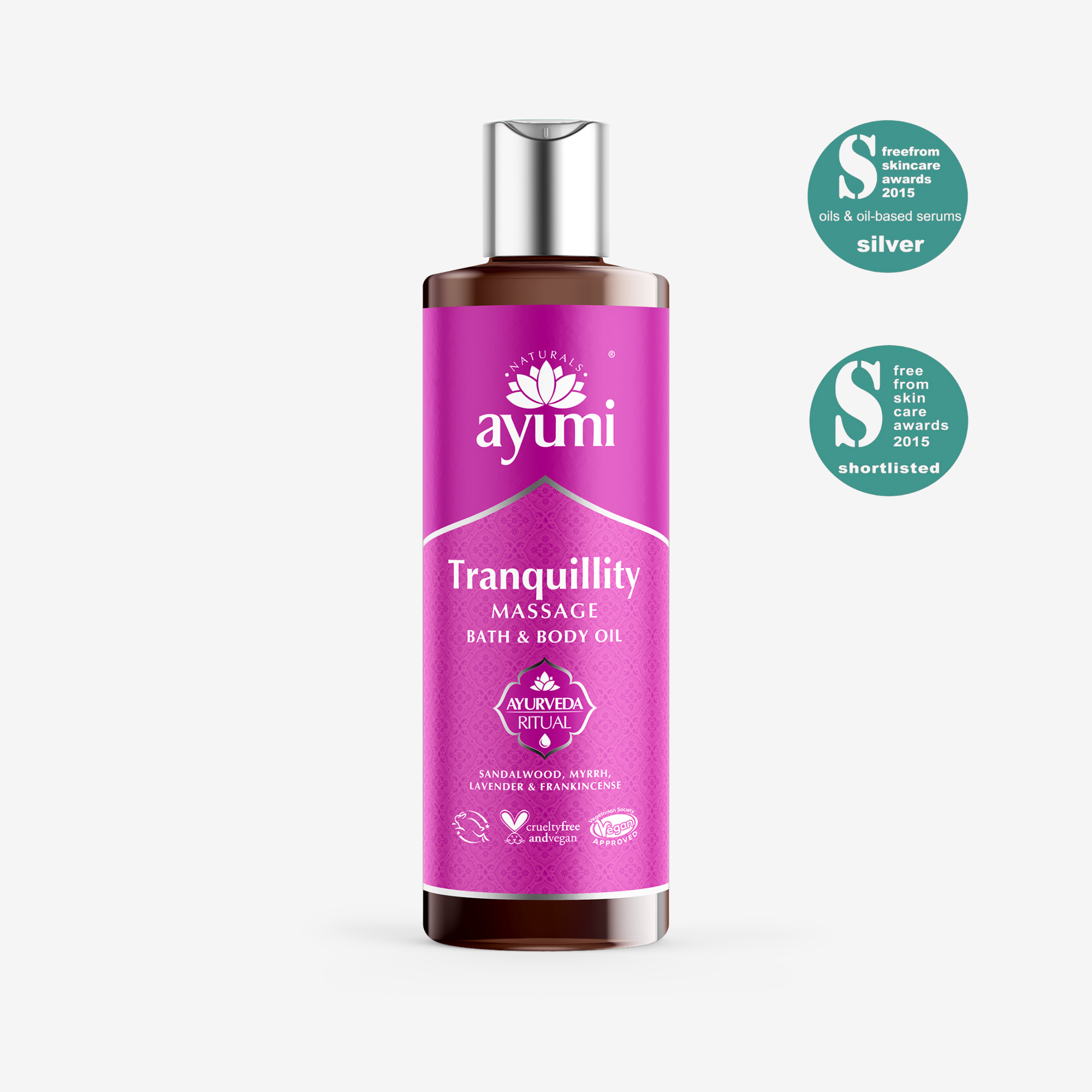
Aromatherapy massage: The classic at-home practice. Slow, sensory, focused on the calming and grounding effect of aromatic oils as much as the physical massage itself. The Tranquillity Massage Oil with sandalwood, myrrh, and lavender, and the Sensual Sandalwood & Ylang Ylang Massage Oil, are built around aromatherapy-grade essential oils. Use slow, sweeping strokes towards the heart and let the aromatic notes do as much work as your hands.
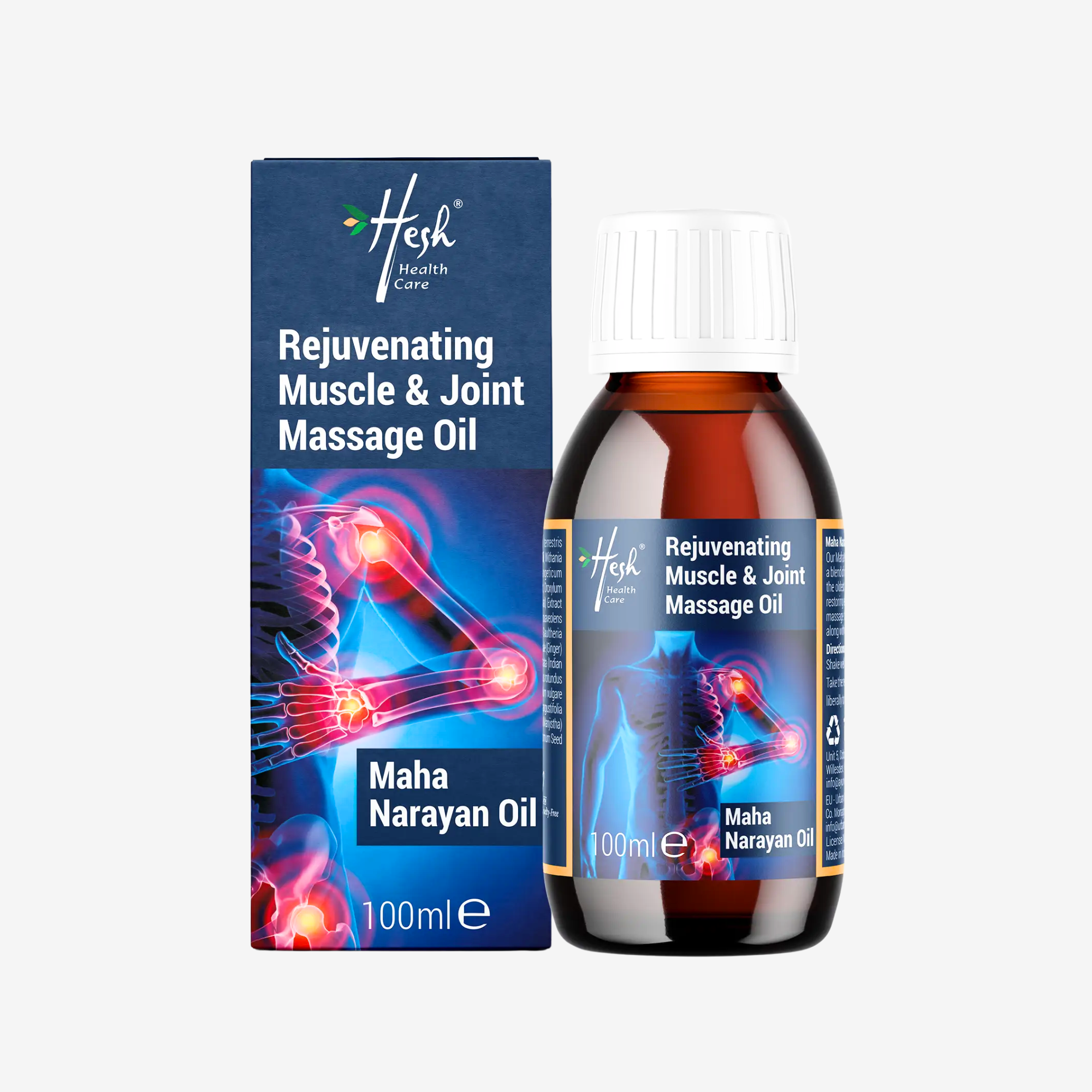
Deep-tissue massage Slower, firmer, with sustained pressure on areas of tension. Great for tight shoulders, lower back, hips, and any chronic stiffness. The Rejuvenating Muscle & Joint Massage Oil, with its traditional Maha Narayan blend, is the warming option for this kind of work. The thicker sesame oil base gives proper glide for sustained pressure without dragging on the skin.
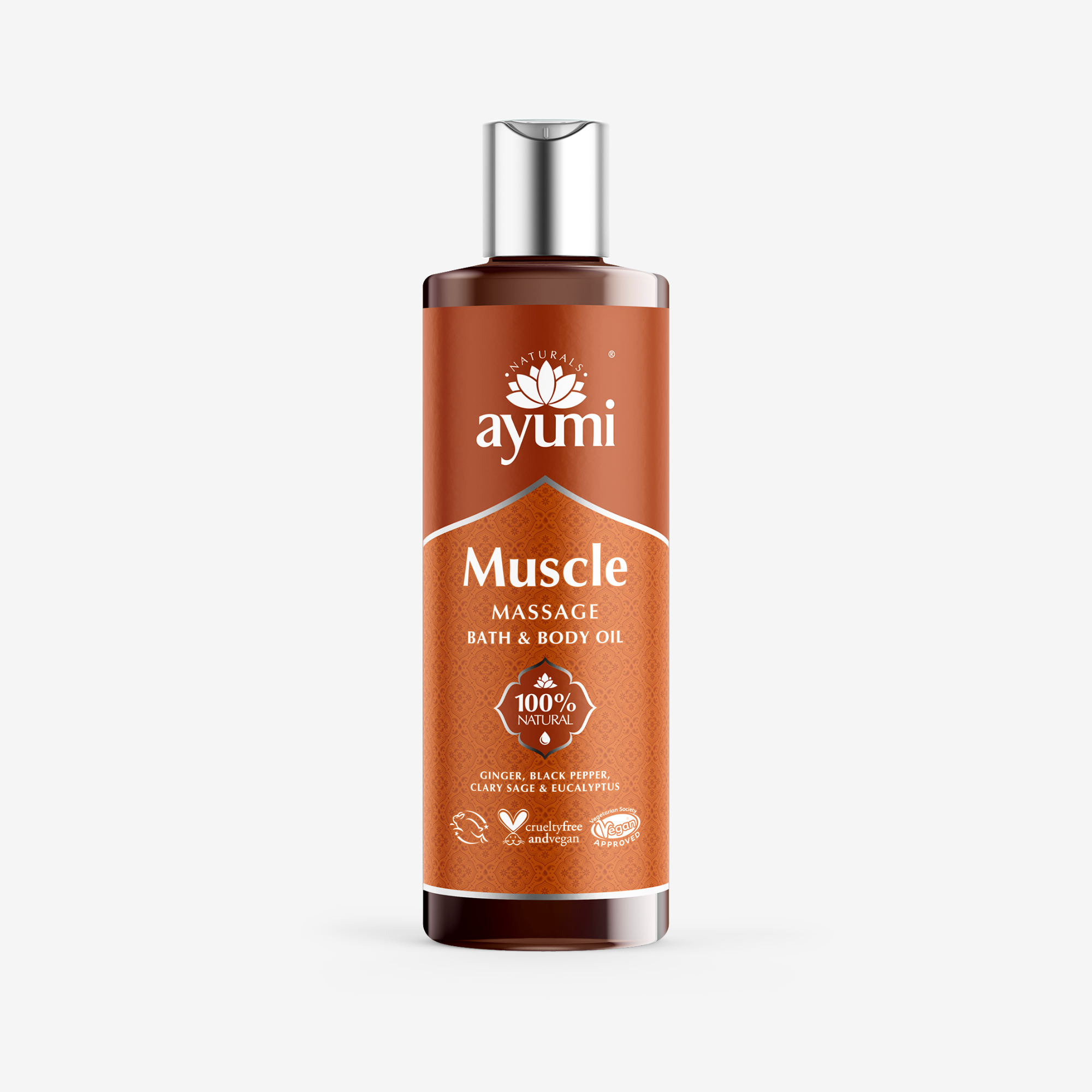
Swedish massage is the most familiar massage style. Long, flowing strokes, kneading, circular movements, designed for general relaxation and wellbeing. Almost any of our oils suits this, but the Muscle Massage Bath & Body Oil with ginger, clary sage, and eucalyptus is a particularly good all-rounder.
Ayurvedic Abhyanga: The traditional Indian full-body self-massage practice that's been part of household care for centuries. Slow, intentional, performed with warm oil before a shower or bath. The Rejuvenating Muscle & Joint Massage Oil, with its classical Maha Narayan formulation, is the authentic Ayurvedic choice. Apply liberally, work in slowly with sweeping strokes towards the heart, and let the oil absorb for ten to fifteen minutes before bathing.
Sports and post-workout massage for tired, overworked muscles. Warming aromatics earn their place here. The Muscle Massage Bath & Body Oil with ginger, clary sage, and eucalyptus is the obvious fit. Apply within an hour or two of finishing your workout.
Couples and partner massage Slower, longer, shared. The Sensual Sandalwood & Ylang Ylang and Tranquillity Massage Oils are both built for this kind of moment. The aromatic notes carry the experience, and a small amount goes a long way.
When to Use a Massage Oil
Different oils suit different moments. Here's a rough guide to when each one earns its place in a week.
First thing in the morning. A short shoulder, neck, or leg massage with a warming oil before you start the day can shift how the first hour feels. Particularly useful if you wake up stiff or carry tension overnight.
At the end of a long working day. Especially if you sit at a desk, your shoulders and lower back tighten up after hours of typing or screen time. Five minutes with a warming or calming oil before dinner makes a real difference.
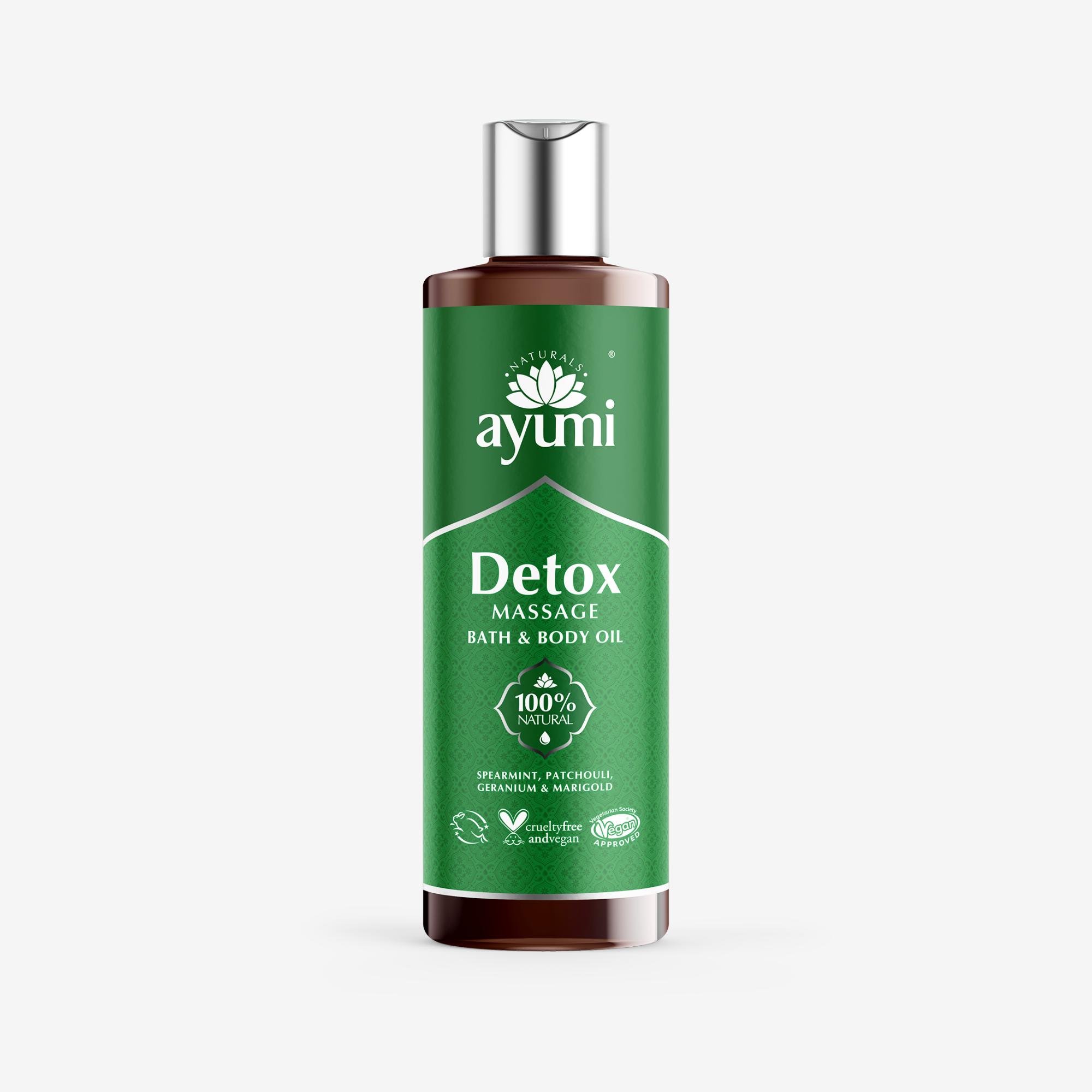
After exercise. Within an hour or two of finishing a workout, run, or any physical session. The warming Muscle Massage blend is built specifically for this.
As a bedtime ritual. Half an hour before sleep. A short application to the neck, feet, or pulse points, paired with the calming aromatic notes of lavender or sandalwood, helps the body settle.
Before or after a bath, either drop a few directly into the bath, or apply to damp skin afterwards. Warmth and oil work brilliantly together.
During a partner massage. Slower, longer sessions for shared rituals. The Sensual and Tranquillity oils are particularly suited.
As a quick reset during the day, a drop on the wrists, temples, or behind the ears, paired with a few slow breaths, gives you a thirty-second pause that genuinely shifts how you feel.
You don't need to do all of these. Pick the moments that fit your week and start there.
Where on the Body to Apply Massage Oil
Most people focus on the same handful of areas, and for good reason. They're where tension lives. A few of the most useful spots:
- Neck and shoulders. The classic spot for desk-related tension. Use slow, circular movements with the heel of your hand
- Upper back, between the shoulder blades. Best done with help from a partner, but you can reach part of it yourself
- Lower back. Sweeping strokes upwards from the hips work well
- Hips and outer thighs. Often overlooked but a massive source of tightness, especially for runners or anyone who sits a lot
- Calves and feet. Particularly good in the evening. Foot massage, in particular, is genuinely underrated as a wind-down practice
- Wrists, temples, behind the ears. For aromatic, pulse-point use rather than full massage. A small amount is enough
Avoid massaging directly over joints, bruises, or areas of broken skin. For joint tension specifically, work the muscles around the joint rather than the joint itself.
Massage Oils FAQ
How do you use a massage oil? Warm a small amount in your hands, then gently massage it into damp skin with slow, deliberate strokes. After a shower or bath, it is ideal, as damp skin absorbs oil more easily. For specific areas like the shoulders, neck, lower back, or legs, focus on long, sweeping strokes or slow, circular movements. You can also add a few drops to a warm bath for a fragrant soak.
What is the best oil for aromatherapy massage? For aromatherapy massage, look for oils with a high concentration of pure essential oils on a gentle carrier base. The Tranquillity Massage Oil with sandalwood, myrrh, and lavender is built for calming aromatherapy sessions. The Sensual Sandalwood & Ylang-Ylang Massage Oil is better suited for sensual aromatherapy work. Both deliver the slow, aromatic experience that defines this kind of massage.
Can you use Ayumi oils for deep-tissue massage? Yes. The Rejuvenating Muscle & Joint Massage Oil, with its traditional Maha Narayan blend, is particularly suited to deep-tissue work. The sesame oil base provides a smooth glide for sustained pressure, and the warming herbs help open tight areas. The Muscle Massage Bath & Body Oil also works well for firmer pressure on shoulders, lower back, and legs.
What oil is good for Swedish massage? Swedish massage uses long, flowing strokes that need a smooth, easy-glide oil. Most of our blends suit this style. The Muscle Massage Bath & Body Oil is a particularly good all-rounder for Swedish sessions, while the Tranquillity oil is ideal for slower, more relaxation-led variants.
What is Abhyanga, and how do you do it? Abhyanga is the traditional Ayurvedic full-body self-massage practice that's been part of Indian household care for centuries. Apply a generous amount of warm oil to the whole body, work it in slowly with long, sweeping strokes towards the heart, and allow the oil to absorb for ten to fifteen minutes before showering. The Rejuvenating Muscle & Joint Massage Oil with its Maha Narayan blend is the classical Ayurvedic choice for this practice.
What is the best massage oil for tense muscles? For general muscle tension, the Muscle Massage Bath & Body Oil with ginger, clary sage, and eucalyptus is a great option. The warming aromatics suit tired shoulders, neck, and legs after a long day or a workout. For deeper, more grounded tension or stiff joints, the Rejuvenating Muscle & Joint Massage Oil with its Maha Narayan blend is the one to go for.
How often should you use a massage oil? Daily use is fine. Most people get the most benefit from a quick application after a shower or in the evening, with longer, slower massages a few times a week as a more intentional ritual.
Can you use massage oil in a bath? Yes. Most of our oils are multi-use for bath and body. Add a few drops to a warm bath, and you've got an aromatic, hydrating soak. The warmth releases the scent into the steam, leaving your skin softly conditioned.
Where on the body do you apply massage oil? Most people focus on areas that hold tension, the neck, shoulders, lower back, hips, legs, and feet. For sensual or partner massage, the back, chest, and arms are the classic areas. For pulse-point use, try the wrists, temples, and the backs of the ears, especially in the evening.
What carrier oils are used in Ayumi massage oils? Our blends are built on the bases of cold-pressed sweet almond, olive, apricot kernel, and sesame oils. Sweet almond is light and fast-absorbing. Olive oil brings real conditioning and is a long-standing fixture in Mediterranean and Ayurvedic body care. Apricot kernel is silky and gentle. Sesame is the classic Ayurvedic carrier, especially in our traditional Maha Narayan formula.
Are Ayumi massage oils suitable for sensitive skin? Our oils are made with natural, plant-based ingredients and are designed to be gentle. As with any new skincare product, do a quick patch test on a small area first if your skin tends to be reactive, and avoid use if you have a known allergy to any of the listed ingredients.
Can massage oils help with stress and tension? Massage with a warming, aromatic oil has been part of traditional self-care practices for centuries, and many people find that a slow, regular ritual helps them genuinely unwind. Aromas like sandalwood, lavender, and ylang ylang are well-known traditional ingredients used in calming and grounding rituals. The combination of slow movement, warmth, and scent supports both physical and mental relaxation.
Can you use massage oil for partner massage? Yes. The Sensual Sandalwood & Ylang Ylang and Tranquillity Massage Oils are particularly suited to partner massage, where one person works on the other's tense areas. Shared rituals like this make relief from tension feel like a treat rather than another task.
Are Ayumi massage oils vegan and cruelty-free? Yes. Every Ayumi product is vegan, cruelty-free, and made in the UK with carefully chosen natural and Ayurvedic ingredients.