





Turmeric Skincare for Hyperpigmentation and Uneven Skin Tone
Caught sight of yourself in a sunny shop window and noticed dark patches on your face that weren't so obvious in February? That's usually pigmentation, and it rarely arrives as one neat mark. It settles as a soft, patchy shadow across the cheeks, forehead, or upper lip, making your whole complexion look uneven. Sun is the usual trigger. Hormones are another, and the two often work together. We built our hyperpigmentation products on a clinically tested turmeric active that helps visibly fade pigmentation on face with steady use. Our Turmeric Brightening range has five steps: a face wash, a gentle scrub, a clay mask, a glow toner with glycolic acid and our Turmeric & Vitamin C Brightening Face Cream, the only one with Tetrapeptide-30. You won't find bleaching agents in any of them. Do wear a daily SPF alongside them. Without it, the sun keeps topping up the very patches you're working on, which makes uneven skin tone much harder to improve.
Which of Our Pigmentation Products Is Right for You?
Start with what bothers you most in the mirror, then choose the product we made for it.
| Your concern | Product | Key ingredients |
|---|---|---|
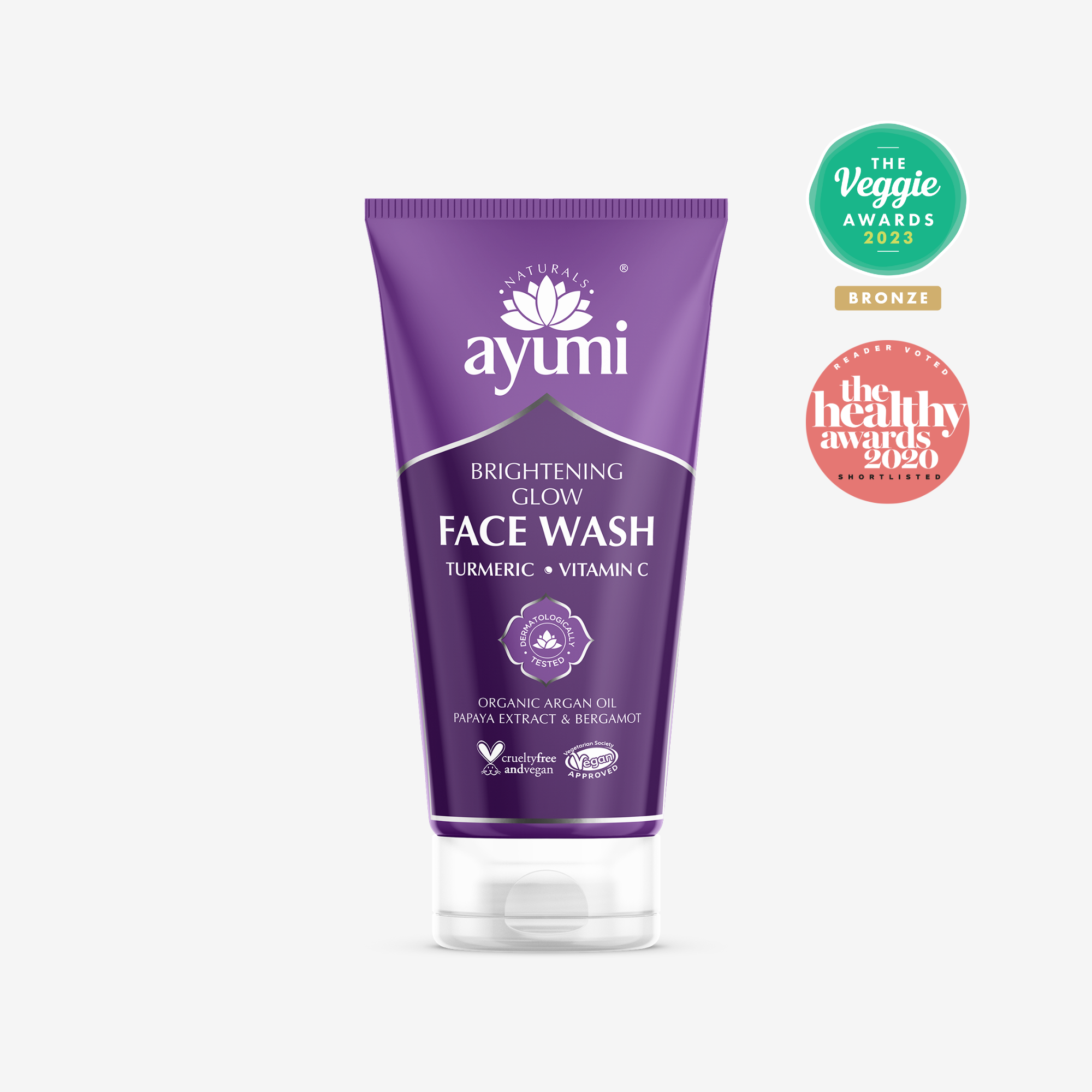
| A turmeric face wash for patchy skin that looks tired by the evening | Our Turmeric & Vitamin C Brightening Face Wash | CO2-extracted turmeric, vitamin C, papaya, amla, argan |
| Rough texture that makes dark patches on face look more obvious | Our Turmeric & Vitamin C Brightening Face Scrub | Bamboo exfoliant, turmeric, papaya, amla, vitamin C, shea, argan, avocado |
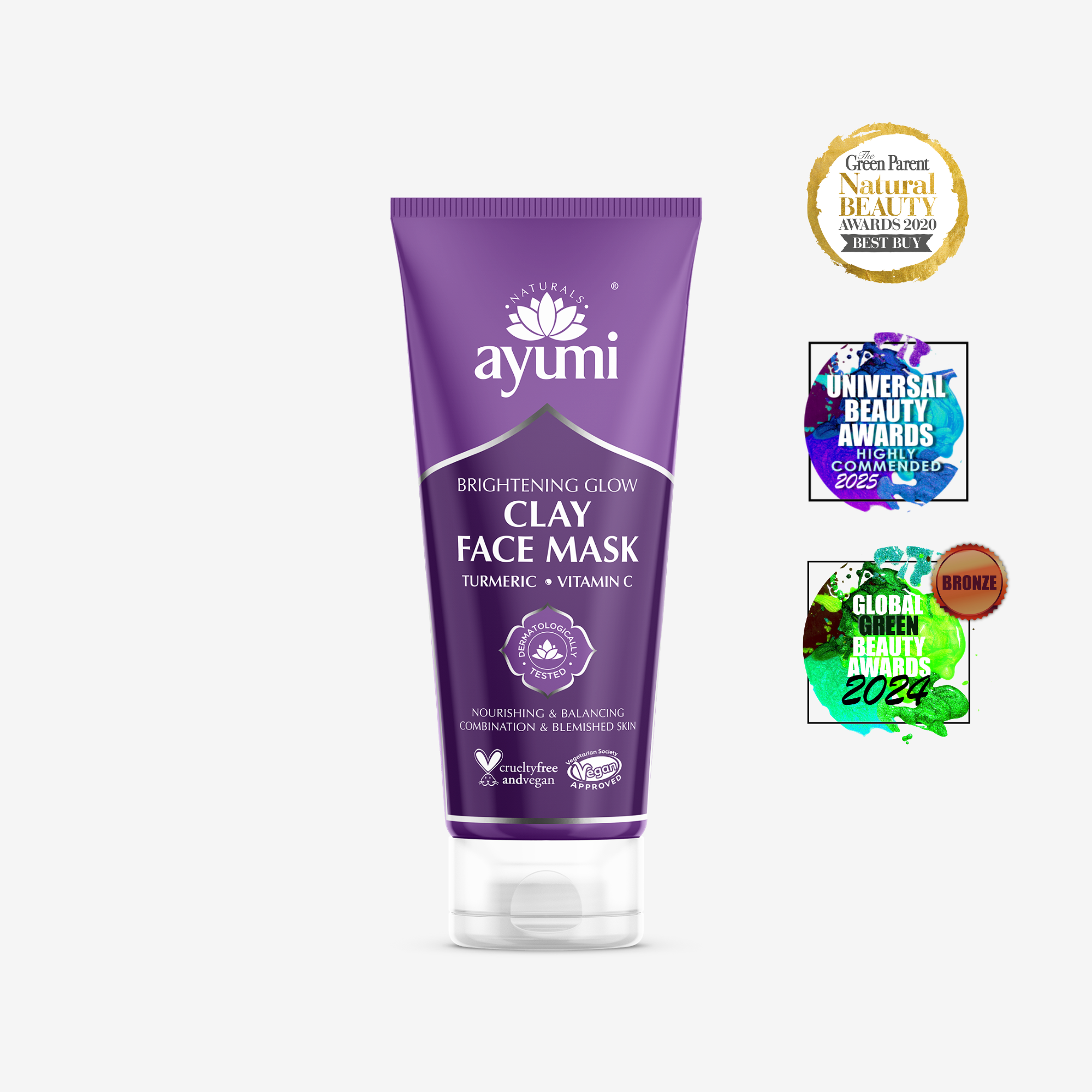
| A weekly mask to refresh uneven-looking skin | Our Turmeric & Vitamin C Glow Clay Face Mask | Kaolin clay, CO2-extracted turmeric, papaya, amla, vitamin C, argan |
| A glycolic acid toner for gentle daily exfoliation | Our Turmeric & Papaya Glow Toner | Glycolic acid (an AHA), papaya, turmeric, amla, aloe, glycerin. Patch test first, and wear SPF in the day. |
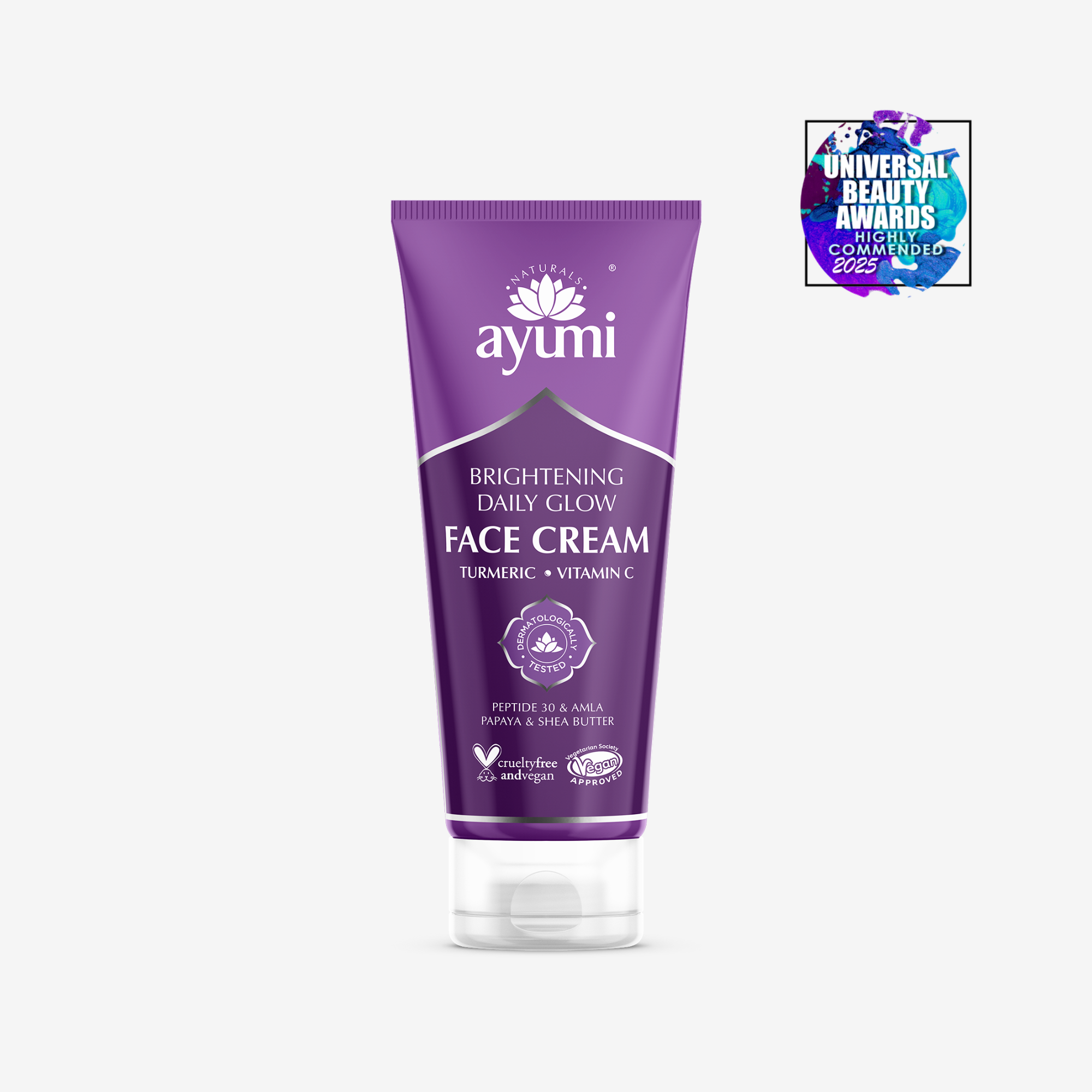
| A daily moisturiser for skin pigmentation | Our Turmeric & Vitamin C Brightening Face Cream | Tetrapeptide-30, turmeric, vitamin C, amla, papaya, shea, argan, kukui |
| A toner without acids, for days when your skin wants a rest | Our Rose & Glycerin Facial Toner | Rose flower water, glycerin, clove leaf oil, rose geranium oil. It contains alcohol and essential oils, so patch test first. |
Why Choose Our Turmeric Range for Skin Pigmentation
- Turmeric at the core. We use CO2-extracted turmeric that has been clinically tested, so we can say our products help visibly fade the look of patches. Our face cream adds Tetrapeptide-30, a clinically evaluated peptide you'll only find in the cream.
- We're clear about what's inside. You'll find vitamin C, as sodium ascorbyl phosphate, in our wash, scrub, mask and cream. Our Glow Toner uses glycolic acid instead. Amla and papaya run through all five of our Turmeric products.
- No bleaching agents. There's no hydroquinone or any other bleaching agent in the range, and nothing here is meant to lighten skin overall. The aim is a more even skin tone, while keeping your natural colouring.
- Every step has its own job. Cleanse, exfoliate, tone, moisturise. Together, our five products make up our Brightening Face Ritual, and you can start smaller with the duo or trio.
- Tested, vegan and made in the UK. All five of our Turmeric products are dermatologically tested and made in the UK. Every product on this page, including the Rose & Glycerin Facial Toner, is vegan, cruelty-free, and PETA certified.
How Do You Build a Routine for Pigmentation on Face?
Patches fade slowly because skin renews itself slowly. Give our routine six to eight weeks before you judge it, and take a photo in the same window light on day one so you have something fair to compare against.
| Step | How often | Why |
|---|---|---|
| 1. Cleanse with our turmeric face wash | Morning and evening | Our wash lifts the day's oil, sunscreen and make-up so the next steps go onto clean skin. |
| 2. Tone with our glycolic acid toner | Morning and evening | Our toner's glycolic acid gently loosens dull surface cells. Patch test first. If your skin feels tight or tingly, switch to our Rose & Glycerin toner for a few days. |
| 3. Exfoliate with our Brightening Face Scrub | 2 to 3 times a week | Our scrub's bamboo granules smooth rough texture. Use light pressure on damp skin, and keep scrub nights separate from mask nights. |
| 4. Mask with our Glow Clay Face Mask | 1 to 2 times a week | Apply a thick layer of our mask to cleansed skin, leave for 20 minutes, then rinse. Patch test before first use. |
| 5. Moisturise with our Brightening Face Cream | Morning and evening | Smooth our Brightening Face Cream over face and neck after the wash and toner. It helps improve the appearance of pigmentation and supports a more even-looking tone. |
| 6. Finish with SPF (not part of our range) | Every morning, all year | The last step, and the one that matters most for uneven skin tone. Glycolic acid makes skin more sensitive to the sun, so don't skip it on toner days. |
Key Ingredients for a More Even Skin Tone
| Ingredient | What it does | Where you'll find it |
|---|---|---|
| Turmeric (CO2-extracted) | The active at the heart of our range. Helps visibly fade pigmentation with regular use. | Face Wash, Glow Toner, Face Scrub, Glow Clay Face Mask, Face Cream |
| Vitamin C (sodium ascorbyl phosphate) | An antioxidant that helps brighten dull, uneven skin. | Face Wash, Face Scrub, Glow Clay Face Mask, Face Cream |
| Amla | Indian gooseberry, used in Ayurveda for centuries. Helps skin look fresh. | All five Turmeric products |
| Papaya | A fruit extract that helps skin look smoother and brighter. | All five Turmeric products |
| Glycolic acid | An AHA that gently loosens dull surface cells, so tone looks more even. Wear SPF during the day. | Glow Toner |
| Tetrapeptide-30 | A peptide that helps improve the appearance of skin pigmentation. | Face Cream |
| Rose water and glycerin | Help skin feel refreshed and hydrated. | Rose & Glycerin Facial Toner |
Is It Sun Pigmentation or Hormonal Changes?
Most patchiness comes down to daylight, hormones or both. Knowing which you're dealing with helps you set realistic expectations, and it changes what helps.
- UK daylight counts. UV reaches your skin through clouds and on mild spring days, so patches can deepen between April and September without a single holiday. Wear a broad-spectrum SPF every morning and reapply if you're outside for long.
- Hats and shade help too. A wide brim keeps sun off the cheeks and forehead, which is where dark patches on face tend to settle.
- Hormones play a part. Hormonal pigmentation often shows up as matching patches on both cheeks, the forehead or above the lip, during pregnancy or with changes to hormonal contraception. If that sounds familiar, read the melasma question below.
- Go easy on irritated skin. Scrubbing harder or adding more acids can leave skin red and sore, and irritation can make patches look darker. Stick to the frequencies on each label.
Shop our hyperpigmentation products above, or get the full routine in one of our skin care sets. If you're dealing with individual marks, see our skincare for dark spots. For an all-over lack of glow, try our range for dull skin, and for pigmentation on the body, see our body care range.
FAQ
What causes hyperpigmentation?
How to get rid of hyperpigmentation?
Is it melasma?
Do you make a hyperpigmentation cream?
Is vitamin C for pigmentation worth using?
How long does it take to improve uneven skin tone?